
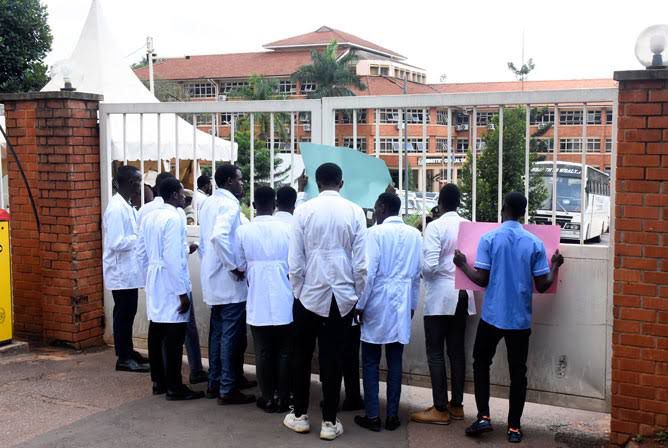
The National Senior House Officers (SHO) Secretariat has warned that plans to scrap allowances for medical interns could undermine healthcare delivery, weaken clinical training and create long-term risks for Uganda’s future health workforce.
In a statement issued this week, the medics called on the government, the Ministry of Health and other relevant authorities to reverse the proposed policy and maintain internship allowances for medical interns.
The controversy stems from a proposal to shift pre-registration clinical service from the internship period into undergraduate medical training, a move critics argue would effectively eliminate remuneration for interns.
“This policy undermines clinical training, devalues medical labour, threatens morale, and sets a dangerous precedent for the future of Uganda’s health workforce,” the statement said.
The SHOs stressed that medical interns are not merely students on attachment but qualified health professionals who provide essential services in hospitals and health facilities across the country while undergoing supervised training.
“Medical interns are not free labour. They are qualified health professionals under supervision, providing essential patient care in wards, theatres, emergency units, labour suites and outpatient departments,” the statement reads.
According to the group, interns form a critical component of Uganda’s healthcare workforce, particularly in public hospitals where staffing shortages remain a persistent challenge.
They argued that removing internship allowances would not only devalue the contribution of interns but could also negatively affect morale among young doctors entering the profession.
The SHOs further warned that any reforms affecting internship training should be subjected to broad stakeholder consultations involving medical professionals, training institutions, the Uganda Medical Association (UMA), the Federation for Uganda Medical Interns (FUMI) and other sector players.
“We call upon the Government, Ministry of Health, and all relevant authorities to urgently review and reverse this decision, protect internship allowances, and engage meaningfully with medical professionals, training institutions, UMA, FUMI and other stakeholders,” the statement said.
The group maintained that internship remains an indispensable stage of medical training, providing hands-on clinical experience while simultaneously supporting service delivery in health facilities.
“Uganda cannot build a functional health system on unpaid doctors,” the SHOs said.
The warning adds to growing concern within the medical fraternity over proposed internship reforms. Health workers argue that while improvements in medical education may be necessary, changes should not come at the expense of trainee doctors who play a vital role in patient care.
The debate also comes amid broader discussions about health sector financing, staffing shortages and the need to strengthen Uganda’s healthcare system as demand for medical services continues to grow.
